
As someone who has always loved sewing, I never expected that my passion for fabric, needles, and fine stitching would one day help me appreciate the artistry behind upper blepharoplasty—also known as an upper eyelid lift in Tucson. Both sewing and eyelid surgery require a level of precision and patience that borders on meditative. Whether it’s guiding a delicate silk thread through fabric or sculpting the natural contours of the eyelid, the goal in both is the same: to create something refined, balanced, and beautiful.
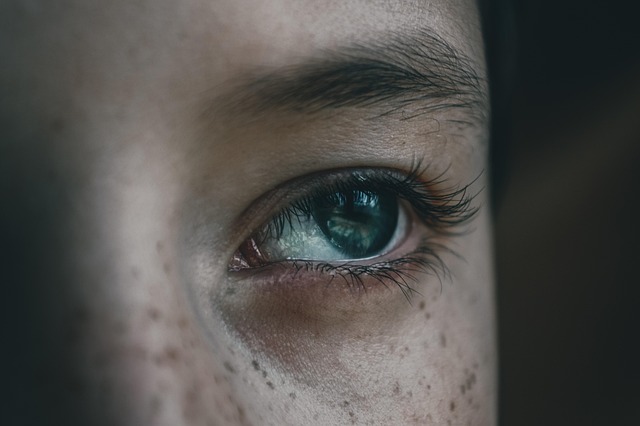
The Thread That Connects Art and Medicine
When I sit down to sew, I enter a world where every movement counts. A crooked stitch can alter the shape of a garment; a rushed seam can ruin the entire piece. Similarly, in upper blepharoplasty, every millimeter of skin, fat, and tissue matters. The surgeon’s hands must be as steady and intentional as those of a skilled tailor.
Both disciplines rely on fine motor control and an eye for symmetry. Just as a dressmaker studies how fabric drapes over a form, a facial plastic surgeon studies how eyelid contours complement the rest of the face. The smallest adjustment—whether it’s a stitch in fabric or a subtle lift in the eyelid crease—can make an enormous difference in the final result.
Patience Is the Invisible Ingredient
Anyone who sews knows that patience isn’t optional—it’s essential. There are no shortcuts when it comes to crafting something that lasts. The same is true for upper eyelid surgery. From the pre-operative consultation to the final healing stages, the process rewards patience.
In Tucson, many patients seek upper blepharoplasty not just for cosmetic reasons but also for functional ones—improving vision obstructed by drooping lids. Much like a seamstress restoring a treasured heirloom dress, a skilled surgeon approaches each procedure with care, precision, and respect for the individual’s unique structure.
It’s a gentle reminder that true transformation—whether in fabric or in facial rejuvenation—takes time. The most natural results emerge not from haste, but from careful craftsmanship and trust in the process.
The Importance of Detail
Detail is where mastery shows. In sewing, it’s in the evenness of a hem or the clean finish of an inside seam. In blepharoplasty, it’s in the hidden incision line that follows the eyelid’s natural fold, ensuring minimal scarring and maximum beauty.
A surgeon’s attention to detail determines how naturally the eyes will open, how the skin heals, and how harmonious the final appearance looks. In that sense, upper eyelid surgery is a form of functional artistry—a balance between medical precision and aesthetic intuition.
Transformation Through Craftsmanship
What I love about both sewing and eyelid surgery is the shared theme of transformation. With fabric, a flat piece becomes something wearable, expressive, and full of life. With eyelid surgery, tired eyes can regain vibrancy and openness, reflecting how the person feels inside.
In Tucson’s growing community of aesthetic specialists, upper blepharoplasty is performed with the same level of artistry that any master craftsperson brings to their work. It’s not about changing who someone is—it’s about restoring form and confidence in the most natural way possible.
Final Thoughts: The Beauty of Steady Hands
Whether threading a needle or holding a surgical instrument, both crafts demand focus, humility, and heart. The lessons I’ve learned through sewing—attention, patience, and the appreciation of subtlety—mirror what defines great eyelid surgery.
In both, beauty is created not in the rush of completion, but in the quiet discipline of care. And just like a perfectly sewn seam, the best eyelid lift is one that blends so seamlessly, it looks as if it was always meant to be that way.

 Pets are one of the most trusted companions that humans can have. Since the ages, they are with the human race and serving them. The pets can bring joy and happiness to one’s life without asking for any kind of favor. Their trust for their masters is unmatchable and the way they loved their master and his family no one can do. So it is imperative to mention that loss of such a lovely creature from your life can be a big blow. But you can have a way to cherish your bonding and relationship with your lost pet. An
  The best part is that custom stuffed animals can replicate any kind of pets, starting from the dog to cat to any other. So whatever pet you had earlier you can get a beautiful replica of the same. If you are not finding the perfect stuffed animal for you then you can try your own hands to make a stuffed animal of your choice. But before trying at home, you must know how to do it, especially the sewing of the customized stuffed animals.